Citrus sinensis essential oil: chemical characterization and preliminary application in baking
DOI:
https://doi.org/10.29312/remexca.v17i6.4225Keywords:
Citrus sinensis, fortified biscuit, limonene, valorization of citrus byproductsAbstract
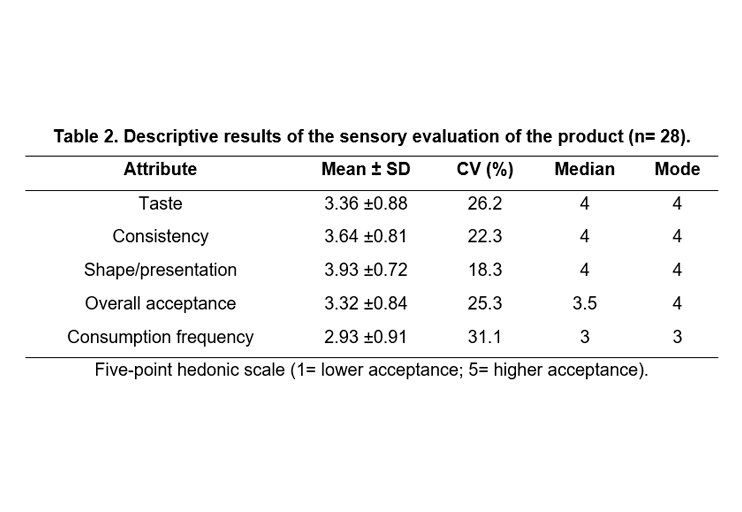
The byproducts generated during citrus processing are a potential source of bioactive compounds with food applications. The study aimed to chemically characterize the essential oil obtained from Citrus sinensis byproducts from commercial fresh-juice establishments and to preliminarily evaluate its incorporation into a bakery product. The essential oil was extracted by steam distillation, yielding a gravimetric yield of 0.31% (w/w, fresh basis) relative to the fresh weight of the peel. Gas chromatography-mass spectrometry (GC-MS) analysis showed a profile dominated by limonene (55.47%), followed by β-myrcene (8.28%) and (R)-3,7-dimethyl-6-octenal (2.93%), consistent with the typical composition of sweet orange. Flours derived from the peel and bagasse were incorporated into the formulation of an experimental cookie, while the essential oil was added after baking as jelly made with orange juice and pectin. The product was evaluated using a hedonic sensory test (n= 28), showing intermediate to favorable overall acceptability (mean= 3.32 on a five-point scale). The results suggest the preliminary technological feasibility of the integral use of C. sinensis byproducts as a source of essential oil rich in limonene and dietary fiber, contributing to sustainable revalorization strategies for agrifood waste.
Downloads
References
Agarwal, P.; Sebghatollahi, Z.; Kamal, M.; Dhyani, A.; Shrivastava, A.; Singh, K. K.; Sinha, M.; Mahato, N.; Mishra, A. K. and Baek, K. H. 2022. Citrus essential oils in aromatherapy: therapeutic effects and mechanisms. Suiza. Antioxidants. 11(12):2374. https://doi.org/10.3390/antiox11122374.
Aguirre-Forero, S. E.; Piraneque-Gambasica, N. V. and Cabarcas-Saumeth, D. E. 2022. Compost de cáscara de naranja: una alternativa de aprovechamiento y ciclaje de materia orgánica en la región del Caribe de Colombia. Colombia. Entramado. 18(1):e8063. https://doi.org/10.18041/1900-3803/entramado.1.8063.
Andrade, M. A.; Barbosa, C. H.; Shah, M. A.; Ahmad, N.; Vilarinho, F.; Khwaldia, K.; Sanches-Silva, A. and Ramos, F. 2023. Citrus by-products: valuable source of bioactive compounds for food applications. Suiza. Antioxidants. 12(1):38. https://doi.org/10.3390/antiox12010038.
Babushok, V. I.; Linstrom, P. J. and Zenkevich, I. G. 2011. Retention indices for frequently reported compounds of plant essential oils. Estados Unidos. Journal of Physical and Chemical Reference Data. 40(4):043101. https://doi.org/10.1063/1.3653552.
Ben-Hsouna, A.; Sadaka, C.; Mekinić, I. G.; Garzoli, S.; Švarc-Gajić, J.; Rodrigues, F.; Morais, S.; Moreira, M. M.; Ferreira, E.; Spigno, G.; Brezo-Borjan, T.; Ben Akacha, B.; Ben Saad, R.; Delerue-Matos, C. and Mnif, W. 2023. The chemical variability, nutraceutical value, and food-industry and cosmetic applications of citrus plants: a critical review. Suiza. Antioxidants. 12(2):481. https://doi.org/10.3390/antiox12020481.
Bhandari, D. P.; Chaudhary, P.; Upadhyaya, S. R.; Ranjitkar, R.; Satyal, R.; Adhikari, A.; Satyal, P. and Parajuli, N. 2024. Chemical variability, antioxidant and larvicidal efficacy of essential oils from Citrus sinensis (L.) Osbeck peel, leaf, and flower. Suiza. Horticulturae. 10(6):566. https://doi.org/10.3390/horticulturae10060566.
Bizzo, H. R.; Brilhante, N. S.; Nolvachai, Y. and Marriott, P. J. 2023. Use and abuse of retention indices in gas chromatography. Paises Bajos. Journal of Chromatography A. 1708:464376. https://doi.org/10.1016/j.chroma.2023.464376.
Bouabdallah, S.; Cianfaglione, K.; Azzouz, M.; Batiha, G. E. S.; Alkhuriji, A. F.; Al-Megrin, W. A. I.; Ben-Attia, M. and Eldahshan, O. A. 2022. Sustainable extraction, chemical profile, cytotoxic and antileishmanial activities in-vitro of some Citrus species leaves essential oils. Suiza. Pharmaceuticals. 15(9):1163. https://doi.org/10.3390/ph15091163.
Brah, A. S.; Obuah, C. I. and Adokoh, C. K. 2024. Innovations and modifications of current extraction methods and techniques of citrus essential oils: a review. Suiza. Discover Applied Sciences. 6:460. https://doi.org/10.1007/s42452-024-06100-z.
Castro, L. A.; Lizi, J. M.; Chagas, E. G.; Carvalho, R. A. and Vanin, F. M. 2020. From orange juice by-product in the food industry to a functional ingredient: application in the circular economy. Suiza. Foods. 9(5):593. https://doi.org/10.3390/foods9050593.
Cinardi, G.; D’Urso, P. R.; Cascone, G. and Arcidiacono, C. 2025. Citrus waste valorisation processes from an environmental sustainability perspective: a scoping literature review of life cycle assessment studies. Suiza. AgriEngineering. 7(10):335. https://doi.org/10.3390/agriengineering7100335.
Costa, J. S.; Maranduba, H. L.; Castro, S. S.; Almeida Neto, J. A. and Rodrigues, L. B. 2022. Environmental performance of orange citrus waste as raw material for pectin and essential oil production. Reino Unido. Food and Bioproducts Processing. 135:165-177. https://doi.org/10.1016/j.fbp.2022.07.008.
Crișan, I. 2026. From flavedo to flavors and fragrance: botanical foundations of citrus peel essential oils in bio-based value chains. Argentina. Phyton. 95(3):5. https://doi.org/10.32604/phyton.2026.078943.
Dosoky, N. S. and Setzer, W. N. 2018. Biological activities and safety of citrus essential oils. Suiza. International Journal of Molecular Sciences. 19(7):1966. https://doi.org/10.3390/ijms19071966.
Elshafie, H. S. and Camele, I. 2022. Chemical composition and biological properties of essential oils of citrus species. Alemania. Chemistry and Biodiversity. 19(3):e202100910. https://doi.org/10.1002/cbdv.202100910.
Ferrer, V.; García-Risco, M. R.; Fornari, T.; Reglero, G. and Ruiz-Rodríguez, A. 2023. Chemical composition and aromatic profile of sweet orange (Citrus sinensis) essential oil: predominance of monoterpene hydrocarbons. Suiza. Plants. 12(5):990. https://doi.org/10.3390/plants12050990.
Ferrer, V.; Paymal, N.; Quinton, C.; Tomi, F. and Luro, F. 2022. Investigations of the chemical composition and aromatic properties of peel essential oils throughout the complete phase of fruit development for two cultivars of sweet orange (Citrus sinensis (L.) Osb.). Suiza. Plants. 11(20):2747. https://doi.org/10.3390/plants11202747.
Fisher, K. and Phillips, C. 2008. Potential antimicrobial uses of essential oils in food: is citrus the answer? Reino Unido. Trends in Food Science and Technology. 19(3):156-164. https://doi.org/10.1016/j.tifs.2007.11.006.
González-Mas, M. C.; Rambla, J. L.; López-Gresa, M. P.; Blázquez, M. A. and Granell, A. 2019. Volatile compounds in citrus essential oils: a comprehensive review. Suiza. Frontiers in Plant Science. 10:12. https://doi.org/10.3389/fpls.2019.00012.
Guerra, B. E. C.; Baños, D. M. I.; Luna-Jiménez, A.; González-Cortés, N. y Jiménez-Vera, R. 2020. Caracterización de harina de naranja (Citrus × sinensis) para uso alimentario. Reino Unido. European Scientific Journal. 16(6):12-28. https://doi.org/10.19044/esj.2020.v16n6p12.
Guo, Q.; Liu, K.; Deng, W.; Zhong, B.; Yang, W. and Chun, J. 2018. Chemical composition and antimicrobial activity of gannan navel orange peel essential oils. Reino Unido. Food Science and Nutrition. 6(6):1431-1437. https://doi.org/10.1002/fsn3.688.
Huh, I. and Gim, J. 2025. Exploration of Likert scale in terms of continuous variable with parametric statistical methods. Reino Unido. BMC Medical Research Methodology. 25(1):218. https://doi.org/10.1186/s12874-025-02668-1.
Jose, M.; Himashree, P.; Sengar, A. S. and Sunil, C. K. 2022. Valorization of food industry by-product (pineapple pomace): a study to evaluate its effect on physicochemical and textural properties of developed cookies. Paises Bajos. Measurement: Food. 6:100031. https://doi.org/10.1016/j.meafoo.2022.100031.
Mahato, N.; Sharma, K.; Koteswararao, R.; Sinha, M.; Baral, E. and Cho, M. H. 2019. Citrus essential oils: extraction, authentication and application in food preservation. Reino Unido. Critical Reviews in Food Science and Nutrition. 59(4):611-625. https://doi.org/10.1080/10408398.2017.1384716.
Olajumoke, R. and Sade, O. 2018. Orange peel flour: a potential source of antioxidant and dietary fiber in pearl-millet biscuit. Estados Unidos. Journal of Food Biochemistry. 42(4):e12523. https://doi.org/10.1111/jfbc.12523.
Romero-Lopez, M. R.; Osorio-Diaz, P.; Bello-Perez, L. A.; Tovar, J. y Bernardino-Nicanor, A. 2011. Fiber concentrates from orange (Citrus sinensis L.) bagasse: characterization and application as bakery product ingredient. Suiza. International Journal of Molecular Sciences. 12:2174-2186. https://doi.org/10.3390/ijms12042174.
Sayed-Ahmad, B.; Talou, T.; Straumite, E.; Sabovics, M. and Kruma, Z. 2023. Utilization of citrus peel in bakery products: effect on physicochemical and sensory properties. Reino Unido. International Journal of Food Science and Technology. 58(5):2706-2716. https://doi.org/10.1111/ijfs.16342.
Selvaprasad, D. E. J.; Hegde, K. R.; Somasundaram, K. D. and Manickam, L. 2025. Recent advancements in citrus by-product utilization for sustainable food production. Estados Unidos. Food Biomacromolecules. 2(3):377-389. https://doi.org/10.1002/fob2.70022.
Sousa, D. P.; Damasceno, R. O. S.; Amorati, R.; Elshabrawy, H. A.; Castro, R. D.; Bezerra, D. P.; Nunes, V. R. V.; Gomes, R. C. and Lima, T. C. 2023. Essential oils: chemistry and pharmacological activities. Suiza. Biomolecules. 13(7):1144. https://doi.org/10.3390/biom13071144.
Sun, J. 2007. D-limonene: safety and clinical applications. Estados Unidos. Alternative Medicine Review. 12(3):259-264.
Suri, S.; Singh, A. and Nema, P. K. 2021. Recent advances in valorization of citrus fruits processing waste: a way forward towards environmental sustainability. Food Science and Biotechnology. 30(13):1601-1626. https://doi.org/10.1007/s10068-021-00984-y.
Xia, H.; Liu, D.; Jin, Y.; Wang, M.; Qiao, Z.; Wu, Q.; Liu, Y. and Li, E. 2024. Antimicrobial activity of eight plant essential oils having antioxidant property against spoilage microbes. Reino Unido. Journal of Applied Microbiology. 135(10):lxae196. https://doi.org/10.1093/jambio/lxae196.
Yang, C.; Chen, H.; Chen, H.; Zhong, B.; Luo, X. and Chun, J. 2017. Antioxidant and anticancer activities of essential oil from gannan navel orange peel. Suiza. Molecules. 22(8):1391. https://doi.org/10.3390/molecules22081391.
Zhang, L.; Li, Y.; Xu, Y. and Song, H. 2022. Key aroma compounds and sensory characteristics of citrus-related volatile compounds in foods. Estados Unidos. ACS Food Science and Technology. 2(2):257-266. https://doi.org/10.1021/acsfoodscitech.1c00304.
Downloads
Published
Issue
Section
License
Copyright (c) 2026 Revista Mexicana de Ciencias Agrícolas

This work is licensed under a Creative Commons Attribution-NonCommercial 4.0 International License.
The authors who publish in Revista Mexicana de Ciencias Agrícolas accept the following conditions:
In accordance with copyright laws, Revista Mexicana de Ciencias Agrícolas recognizes and respects the authors’ moral right and ownership of property rights which will be transferred to the journal for dissemination in open access. Invariably, all the authors have to sign a letter of transfer of property rights and of originality of the article to Instituto Nacional de Investigaciones Forestales, Agrícolas y Pecuarias (INIFAP) [National Institute of Forestry, Agricultural and Livestock Research]. The author(s) must pay a fee for the reception of articles before proceeding to editorial review.
All the texts published by Revista Mexicana de Ciencias Agrícolas —with no exception— are distributed under a Creative Commons License Attribution-NonCommercial 4.0 International (CC BY-NC 4.0), which allows third parties to use the publication as long as the work’s authorship and its first publication in this journal are mentioned.
The author(s) can enter into independent and additional contractual agreements for the nonexclusive distribution of the version of the article published in Revista Mexicana de Ciencias Agrícolas (for example include it into an institutional repository or publish it in a book) as long as it is clearly and explicitly indicated that the work was published for the first time in Revista Mexicana de Ciencias Agrícolas.
For all the above, the authors shall send the Letter-transfer of Property Rights for the first publication duly filled in and signed by the author(s). This form must be sent as a PDF file to: revista_atm@yahoo.com.mx; cienciasagricola@inifap.gob.mx; remexca2017@gmail.
This work is licensed under a Creative Commons Attribution-Noncommercial 4.0 International license.