Aceite esencial de Citrus sinensis: caracterización química y aplicación preliminar en panificación
DOI:
https://doi.org/10.29312/remexca.v17i6.4225Palabras clave:
Citrus sinensis, galleta fortificada, limoneno, valorización de subproductos cítricosResumen
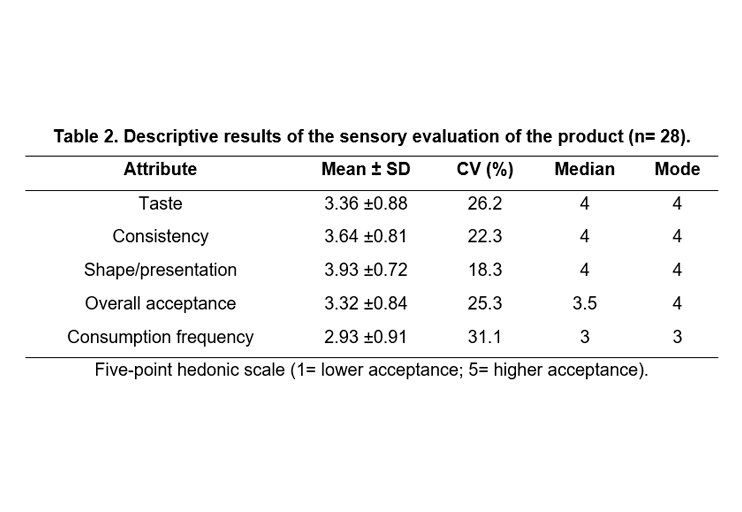
Los subproductos generados durante el procesamiento de cítricos constituyen una fuente potencial de compuestos bioactivos con aplicación alimentaria. El objetivo del estudio fue caracterizar químicamente el aceite esencial obtenido a partir de subproductos de Citrus sinensis provenientes de establecimientos comerciales de jugo fresco y evaluar de manera preliminar su incorporación en un producto de panificación. El aceite esencial se extrajo mediante destilación por arrastre de vapor, se obtiene un rendimiento gravimétrico de 0.31% (p/p, base fresca) respecto al peso fresco de la cáscara. El análisis por cromatografía de gases acoplada a espectrometría de masas (GC-MS) evidenció un perfil dominado por limoneno (55.47%), seguido de β-mirceno (8.28%) y (R)-3,7-dimetil-6-octenal (2.93%), consistente con la composición típica de naranja dulce. Las harinas derivadas de la cáscara y el bagazo se incorporaron a la formulación de una galleta experimental, mientras que el aceite esencial fue adicionado posteriormente al horneado mediante una jalea elaborada con jugo de naranja y pectina. El producto fue evaluado mediante prueba sensorial hedónica (n= 28), mostrando una aceptabilidad global intermedia a favorable (media= 3.32 en escala de cinco puntos). Los resultados sugieren la viabilidad tecnológica preliminar del aprovechamiento integral de subproductos de C. sinensis como fuente de aceite esencial rico en limoneno y fibra dietética, contribuyendo a estrategias de valorización sostenible de residuos agroalimentarios.
Descargas
Referencias
Agarwal, P.; Sebghatollahi, Z.; Kamal, M.; Dhyani, A.; Shrivastava, A.; Singh, K. K.; Sinha, M.; Mahato, N.; Mishra, A. K. and Baek, K. H. 2022. Citrus essential oils in aromatherapy: therapeutic effects and mechanisms. Suiza. Antioxidants. 11(12):2374. https://doi.org/10.3390/antiox11122374.
Aguirre-Forero, S. E.; Piraneque-Gambasica, N. V. and Cabarcas-Saumeth, D. E. 2022. Compost de cáscara de naranja: una alternativa de aprovechamiento y ciclaje de materia orgánica en la región del Caribe de Colombia. Colombia. Entramado. 18(1):e8063. https://doi.org/10.18041/1900-3803/entramado.1.8063.
Andrade, M. A.; Barbosa, C. H.; Shah, M. A.; Ahmad, N.; Vilarinho, F.; Khwaldia, K.; Sanches-Silva, A. and Ramos, F. 2023. Citrus by-products: valuable source of bioactive compounds for food applications. Suiza. Antioxidants. 12(1):38. https://doi.org/10.3390/antiox12010038.
Babushok, V. I.; Linstrom, P. J. and Zenkevich, I. G. 2011. Retention indices for frequently reported compounds of plant essential oils. Estados Unidos. Journal of Physical and Chemical Reference Data. 40(4):043101. https://doi.org/10.1063/1.3653552.
Ben-Hsouna, A.; Sadaka, C.; Mekinić, I. G.; Garzoli, S.; Švarc-Gajić, J.; Rodrigues, F.; Morais, S.; Moreira, M. M.; Ferreira, E.; Spigno, G.; Brezo-Borjan, T.; Ben Akacha, B.; Ben Saad, R.; Delerue-Matos, C. and Mnif, W. 2023. The chemical variability, nutraceutical value, and food-industry and cosmetic applications of citrus plants: a critical review. Suiza. Antioxidants. 12(2):481. https://doi.org/10.3390/antiox12020481.
Bhandari, D. P.; Chaudhary, P.; Upadhyaya, S. R.; Ranjitkar, R.; Satyal, R.; Adhikari, A.; Satyal, P. and Parajuli, N. 2024. Chemical variability, antioxidant and larvicidal efficacy of essential oils from Citrus sinensis (L.) Osbeck peel, leaf, and flower. Suiza. Horticulturae. 10(6):566. https://doi.org/10.3390/horticulturae10060566.
Bizzo, H. R.; Brilhante, N. S.; Nolvachai, Y. and Marriott, P. J. 2023. Use and abuse of retention indices in gas chromatography. Paises Bajos. Journal of Chromatography A. 1708:464376. https://doi.org/10.1016/j.chroma.2023.464376.
Bouabdallah, S.; Cianfaglione, K.; Azzouz, M.; Batiha, G. E. S.; Alkhuriji, A. F.; Al-Megrin, W. A. I.; Ben-Attia, M. and Eldahshan, O. A. 2022. Sustainable extraction, chemical profile, cytotoxic and antileishmanial activities in-vitro of some Citrus species leaves essential oils. Suiza. Pharmaceuticals. 15(9):1163. https://doi.org/10.3390/ph15091163.
Brah, A. S.; Obuah, C. I. and Adokoh, C. K. 2024. Innovations and modifications of current extraction methods and techniques of citrus essential oils: a review. Suiza. Discover Applied Sciences. 6:460. https://doi.org/10.1007/s42452-024-06100-z.
Castro, L. A.; Lizi, J. M.; Chagas, E. G.; Carvalho, R. A. and Vanin, F. M. 2020. From orange juice by-product in the food industry to a functional ingredient: application in the circular economy. Suiza. Foods. 9(5):593. https://doi.org/10.3390/foods9050593.
Cinardi, G.; D’Urso, P. R.; Cascone, G. and Arcidiacono, C. 2025. Citrus waste valorisation processes from an environmental sustainability perspective: a scoping literature review of life cycle assessment studies. Suiza. AgriEngineering. 7(10):335. https://doi.org/10.3390/agriengineering7100335.
Costa, J. S.; Maranduba, H. L.; Castro, S. S.; Almeida Neto, J. A. and Rodrigues, L. B. 2022. Environmental performance of orange citrus waste as raw material for pectin and essential oil production. Reino Unido. Food and Bioproducts Processing. 135:165-177. https://doi.org/10.1016/j.fbp.2022.07.008.
Crișan, I. 2026. From flavedo to flavors and fragrance: botanical foundations of citrus peel essential oils in bio-based value chains. Argentina. Phyton. 95(3):5. https://doi.org/10.32604/phyton.2026.078943.
Dosoky, N. S. and Setzer, W. N. 2018. Biological activities and safety of citrus essential oils. Suiza. International Journal of Molecular Sciences. 19(7):1966. https://doi.org/10.3390/ijms19071966.
Elshafie, H. S. and Camele, I. 2022. Chemical composition and biological properties of essential oils of citrus species. Alemania. Chemistry and Biodiversity. 19(3):e202100910. https://doi.org/10.1002/cbdv.202100910.
Ferrer, V.; García-Risco, M. R.; Fornari, T.; Reglero, G. and Ruiz-Rodríguez, A. 2023. Chemical composition and aromatic profile of sweet orange (Citrus sinensis) essential oil: predominance of monoterpene hydrocarbons. Suiza. Plants. 12(5):990. https://doi.org/10.3390/plants12050990.
Ferrer, V.; Paymal, N.; Quinton, C.; Tomi, F. and Luro, F. 2022. Investigations of the chemical composition and aromatic properties of peel essential oils throughout the complete phase of fruit development for two cultivars of sweet orange (Citrus sinensis (L.) Osb.). Suiza. Plants. 11(20):2747. https://doi.org/10.3390/plants11202747.
Fisher, K. and Phillips, C. 2008. Potential antimicrobial uses of essential oils in food: is citrus the answer? Reino Unido. Trends in Food Science and Technology. 19(3):156-164. https://doi.org/10.1016/j.tifs.2007.11.006.
González-Mas, M. C.; Rambla, J. L.; López-Gresa, M. P.; Blázquez, M. A. and Granell, A. 2019. Volatile compounds in citrus essential oils: a comprehensive review. Suiza. Frontiers in Plant Science. 10:12. https://doi.org/10.3389/fpls.2019.00012.
Guerra, B. E. C.; Baños, D. M. I.; Luna-Jiménez, A.; González-Cortés, N. y Jiménez-Vera, R. 2020. Caracterización de harina de naranja (Citrus × sinensis) para uso alimentario. Reino Unido. European Scientific Journal. 16(6):12-28. https://doi.org/10.19044/esj.2020.v16n6p12.
Guo, Q.; Liu, K.; Deng, W.; Zhong, B.; Yang, W. and Chun, J. 2018. Chemical composition and antimicrobial activity of gannan navel orange peel essential oils. Reino Unido. Food Science and Nutrition. 6(6):1431-1437. https://doi.org/10.1002/fsn3.688.
Huh, I. and Gim, J. 2025. Exploration of Likert scale in terms of continuous variable with parametric statistical methods. Reino Unido. BMC Medical Research Methodology. 25(1):218. https://doi.org/10.1186/s12874-025-02668-1.
Jose, M.; Himashree, P.; Sengar, A. S. and Sunil, C. K. 2022. Valorization of food industry by-product (pineapple pomace): a study to evaluate its effect on physicochemical and textural properties of developed cookies. Paises Bajos. Measurement: Food. 6:100031. https://doi.org/10.1016/j.meafoo.2022.100031.
Mahato, N.; Sharma, K.; Koteswararao, R.; Sinha, M.; Baral, E. and Cho, M. H. 2019. Citrus essential oils: extraction, authentication and application in food preservation. Reino Unido. Critical Reviews in Food Science and Nutrition. 59(4):611-625. https://doi.org/10.1080/10408398.2017.1384716.
Olajumoke, R. and Sade, O. 2018. Orange peel flour: a potential source of antioxidant and dietary fiber in pearl-millet biscuit. Estados Unidos. Journal of Food Biochemistry. 42(4):e12523. https://doi.org/10.1111/jfbc.12523.
Romero-Lopez, M. R.; Osorio-Diaz, P.; Bello-Perez, L. A.; Tovar, J. y Bernardino-Nicanor, A. 2011. Fiber concentrates from orange (Citrus sinensis L.) bagasse: characterization and application as bakery product ingredient. Suiza. International Journal of Molecular Sciences. 12:2174-2186. https://doi.org/10.3390/ijms12042174.
Sayed-Ahmad, B.; Talou, T.; Straumite, E.; Sabovics, M. and Kruma, Z. 2023. Utilization of citrus peel in bakery products: effect on physicochemical and sensory properties. Reino Unido. International Journal of Food Science and Technology. 58(5):2706-2716. https://doi.org/10.1111/ijfs.16342.
Selvaprasad, D. E. J.; Hegde, K. R.; Somasundaram, K. D. and Manickam, L. 2025. Recent advancements in citrus by-product utilization for sustainable food production. Estados Unidos. Food Biomacromolecules. 2(3):377-389. https://doi.org/10.1002/fob2.70022.
Sousa, D. P.; Damasceno, R. O. S.; Amorati, R.; Elshabrawy, H. A.; Castro, R. D.; Bezerra, D. P.; Nunes, V. R. V.; Gomes, R. C. and Lima, T. C. 2023. Essential oils: chemistry and pharmacological activities. Suiza. Biomolecules. 13(7):1144. https://doi.org/10.3390/biom13071144.
Sun, J. 2007. D-limonene: safety and clinical applications. Estados Unidos. Alternative Medicine Review. 12(3):259-264.
Suri, S.; Singh, A. and Nema, P. K. 2021. Recent advances in valorization of citrus fruits processing waste: a way forward towards environmental sustainability. Food Science and Biotechnology. 30(13):1601-1626. https://doi.org/10.1007/s10068-021-00984-y.
Xia, H.; Liu, D.; Jin, Y.; Wang, M.; Qiao, Z.; Wu, Q.; Liu, Y. and Li, E. 2024. Antimicrobial activity of eight plant essential oils having antioxidant property against spoilage microbes. Reino Unido. Journal of Applied Microbiology. 135(10):lxae196. https://doi.org/10.1093/jambio/lxae196.
Yang, C.; Chen, H.; Chen, H.; Zhong, B.; Luo, X. and Chun, J. 2017. Antioxidant and anticancer activities of essential oil from gannan navel orange peel. Suiza. Molecules. 22(8):1391. https://doi.org/10.3390/molecules22081391.
Zhang, L.; Li, Y.; Xu, Y. and Song, H. 2022. Key aroma compounds and sensory characteristics of citrus-related volatile compounds in foods. Estados Unidos. ACS Food Science and Technology. 2(2):257-266. https://doi.org/10.1021/acsfoodscitech.1c00304.
Descargas
Publicado
Número
Sección
Licencia
Derechos de autor 2026 Revista Mexicana de Ciencias Agrícolas

Esta obra está bajo una licencia internacional Creative Commons Atribución-NoComercial 4.0.
Los autores(as) que publiquen en Revista Mexicana de Ciencias Agrícolas aceptan las siguientes condiciones:
De acuerdo con la legislación de derechos de autor, Revista Mexicana de Ciencias Agrícolas reconoce y respeta el derecho moral de los autores(as), así como la titularidad del derecho patrimonial, el cual será cedido a la revista para su difusión en acceso abierto.
Los autores(as) deben de pagar una cuota por recepción de artículos antes de pasar por dictamen editorial. En caso de que la colaboración sea aceptada, el autor debe de parar la traducción de su texto al inglés.
Todos los textos publicados por Revista Mexicana de Ciencias Agrícolas -sin excepción- se distribuyen amparados bajo la licencia Creative Commons 4.0 atribución-no comercial (CC BY-NC 4.0 internacional), que permite a terceros utilizar lo publicado siempre que mencionen la autoría del trabajo y a la primera publicación en esta revista.
Los autores/as pueden realizar otros acuerdos contractuales independientes y adicionales para la distribución no exclusiva de la versión del artículo publicado en Revista Mexicana de Ciencias Agrícolas (por ejemplo incluirlo en un repositorio institucional o darlo a conocer en otros medios en papel o electrónicos) siempre que indique clara y explícitamente que el trabajo se publicó por primera vez en Revista Mexicana de Ciencias Agrícolas.
Para todo lo anterior, los autores(as) deben remitir el formato de carta-cesión de la propiedad de los derechos de la primera publicación debidamente requisitado y firmado por los autores(as). Este formato debe ser remitido en archivo PDF al correo: revista_atm@yahoo.com.mx; revistaagricola@inifap.gob.mx.
Esta obra está bajo una licencia de Creative Commons Reconocimiento-No Comercial 4.0 Internacional.